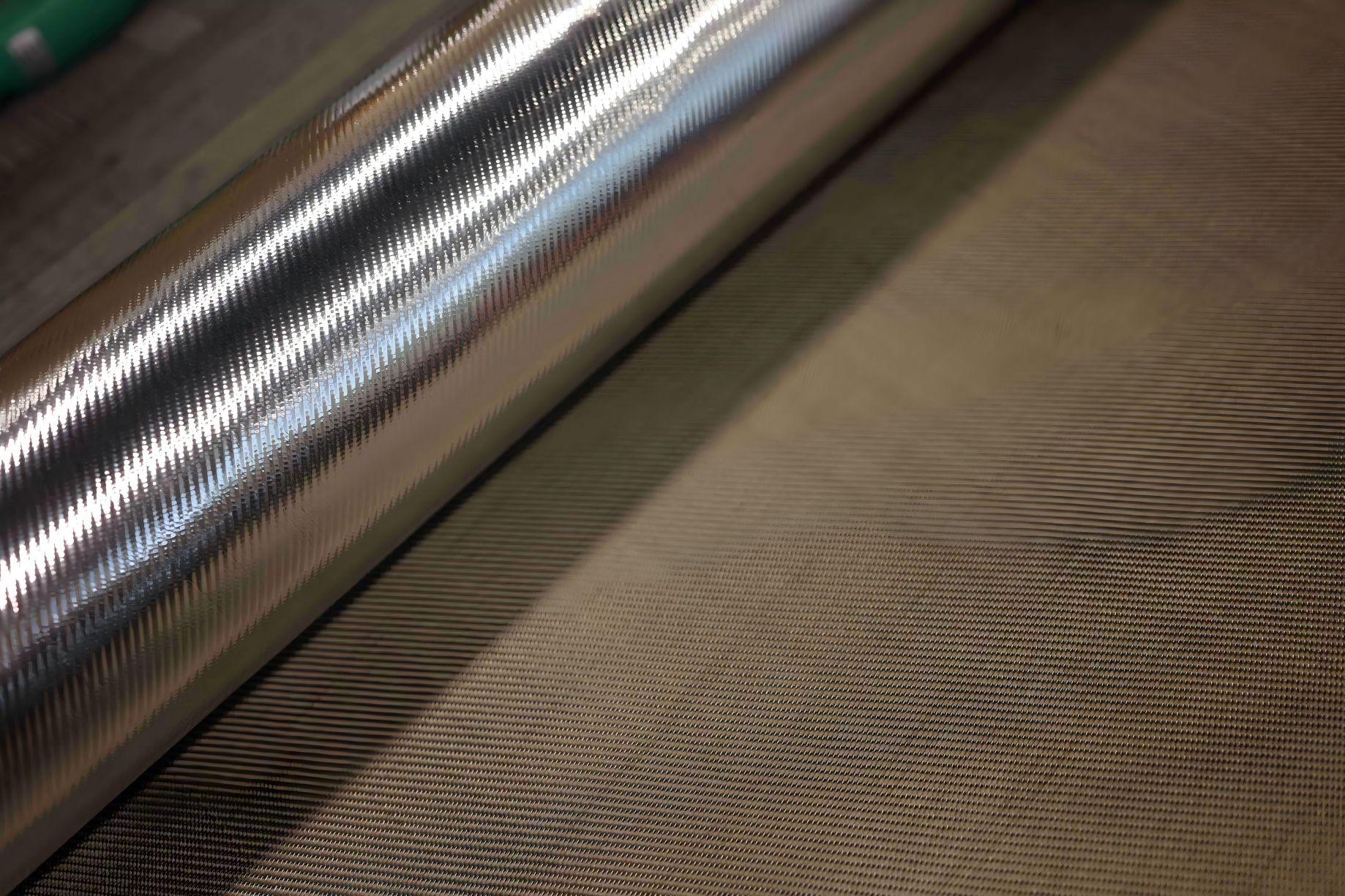
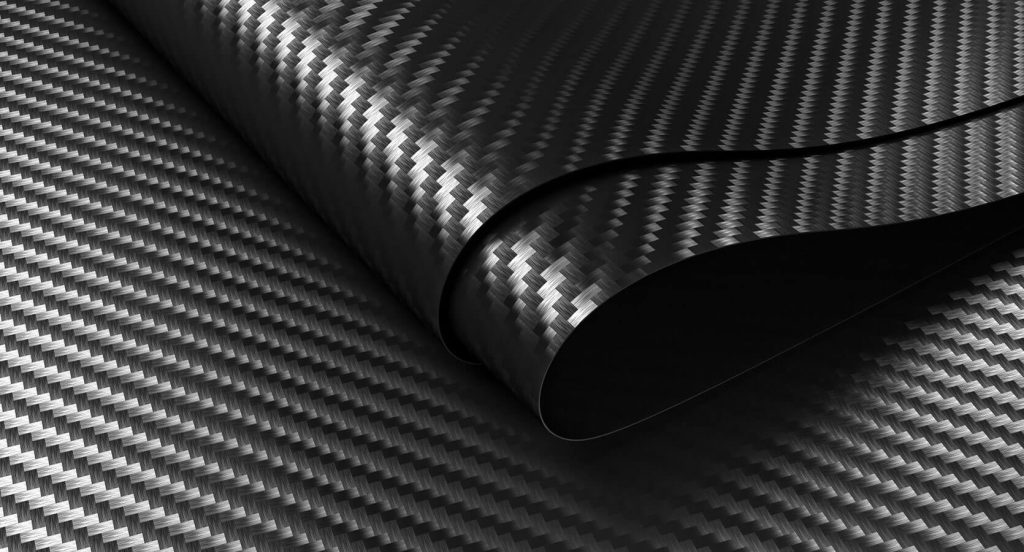
Volcanic basalt fiber with excellent thermal stability and mechanical properties — woven fabric, UD, roving and finished composite parts.
Derived from volcanic rock, basalt fiber combines natural durability with exceptional technical performance.
Naturally non-combustible and maintains structural integrity at high temperatures without emitting toxic gases.
Outstanding resistance to acids, alkalis, and salts, making it superior to glass fiber in corrosive environments.
Excellent acoustic absorption properties, ideal for noise reduction in automotive and industrial applications.
A sustainable material with a low carbon footprint, 100% recyclable and free from toxic emissions or additives.
Provides a performance level between glass and carbon fiber at a highly competitive price point.
Excellent compatibility and adhesion with epoxy, polyester, and vinyl ester resins for high-strength laminates.
Basalt fiber is produced by melting natural basalt rock at approximately 1,450°C and extruding it through platinum-rhodium bushings into continuous filaments — with no chemical additives, binders or coke, making it the most eco-friendly reinforcement fiber available.
Impact Composites supplies basalt fiber yarn, woven fabric, UD fabric and finished composite products to construction, industrial and marine customers worldwide, providing performance between E-glass and carbon fiber at a competitive price point.
High-quality volcanic fiber reinforcements for construction and industry.
Corrosion-free concrete reinforcement and structural repair for bridges and piers.
Fire-resistant curtains, thermal insulation, and protective clothing.
Chemical-resistant pipes and tanks for the petroleum and chemical industries.
Exhaust systems, brake pads, and interior sound insulation components.
Lightweight and salt-water resistant hull reinforcements and ropes.
Sustainable structural components for wind turbine towers and blades.